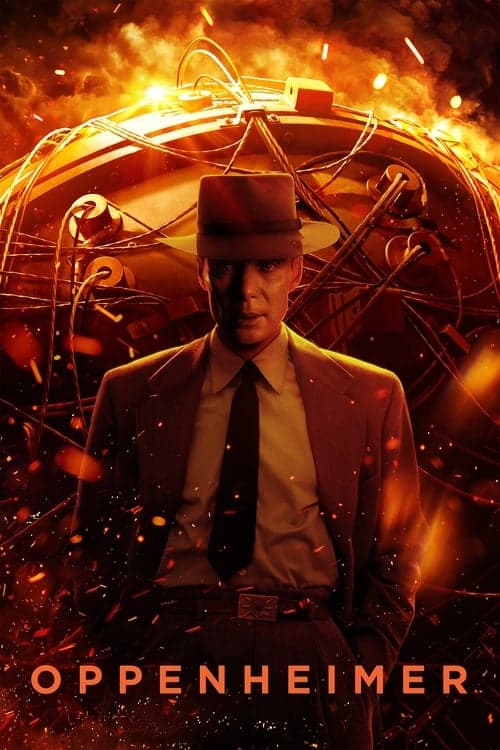
The Physics of Sound: Soundwaves and Silence in Oppenheimer
Analyzing the breathtaking silence of the Trinity test and the roaring score of Ludwig Göransson in Nolan's biographical thriller.
Sound is fifty percent of the theatrical experience, yet it is often undervalued compared to visual visual effects. Christopher Nolan’s biographical drama, Oppenheimer, breaks this complacency by transforming Ludwig Göransson's rolling strings and deep sub-basses into the literal subconscious of J. Robert Oppenheimer.
The Silence of Trinity
The crowning achievement of modern cinematic sound occurs during the Trinity test sequence. As the countdown reaches zero, instead of a grand, roaring explosion, Nolan drops all sound entirely. For nearly a full minute, we only hear the anxious breathing of the physicists, followed by the blinding white light of the fission reaction.
When the acoustic shockwave finally strikes, it acts as a jarring, physical impact—reminding audiences of the sheer raw devastation of the nuclear age.
Scoring the Madness
Göransson’s Oscar-winning score features rapid, erratic violin tracks that mimic the chaotic motion of subatomic particles. It creates a feverish tempo that peaks in the private hearings, creating an elite psychological portrait.
Stream these masterpieces on our premium server clusters directly. Find the links to the movies right below to begin.
Instant Stream Terminal
Play any of the critical titles discussed in this review instantly or find another masterpiece.